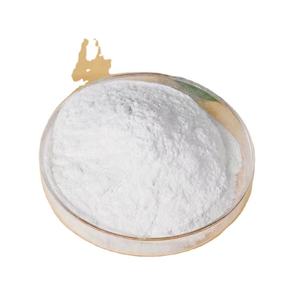
Introduction to Nano Silicon Dioxide: A Critical Nanomaterial for Advanced Technologies
Nano silicon dioxide (nano-SiO two), additionally known as nanosilica, has actually emerged as a keystone product in contemporary scientific research and design because of its outstanding physicochemical buildings. With bit sizes generally listed below 100 nanometers, nano-SiO two shows high surface, thermal security, mechanical strength, and tunable reactivity. These attributes make it important throughout a wide spectrum of sectors– from electronic devices and medication to building and construction and power storage space. As nanotechnology continues to mature, nano-SiO two is playing a progressively important function in making it possible for next-generation products and gadgets with enhanced performance and sustainability.

(Nano Silicon Dioxide)
Architectural Attributes and Synthesis Methods
Nano silicon dioxide exists in different morphologies consisting of spherical fragments, mesoporous frameworks, and core-shell configurations, each offering distinctive useful advantages. It is manufactured via methods such as sol-gel processing, chemical vapor condensation, flame pyrolysis, and rainfall from silica forerunners like tetraethyl orthosilicate (TEOS). Surface adjustment strategies– such as silanization– are often employed to improve dispersibility and compatibility with organic matrices. Specific control over fragment size, porosity, and surface area chemistry allows customized applications in coatings, compounds, drug shipment systems, and digital parts.
Functional Roles in Material Reinforcement and Composite Engineering
Among the most impactful uses nano-SiO ₂ depends on composite products, where it functions as a strengthening representative to improve mechanical strength, solidity, and abrasion resistance. When incorporated into polymers, ceramics, or steels, nano-SiO ₂ enhances load transfer in between stages, minimizes fracture proliferation, and increases wear resistance. In epoxy resins and rubber compounds, it improves tensile stamina and thermal security. In addition, nano-SiO two is made use of in self-cleaning surfaces and anti-fouling finishes because of its hydrophilic nature and photocatalytic task under UV direct exposure. These abilities are driving technology in aerospace, automotive, and aquatic industries.
Applications in Electronics and Semiconductor Modern Technology
In the electronic devices field, nano silicon dioxide plays a double duty as both an architectural and practical material. It acts as a gateway dielectric in thin-film transistors and as a passivation layer in semiconductor tools due to its excellent protecting buildings and compatibility with silicon substrates. In microelectromechanical systems (MEMS) and nanoelectronics, nano-SiO ₂ is used in insulation layers, interconnects, and sensing unit parts. In addition, its ability to be patterned at the nanoscale sustains innovations in photonic crystals, quantum dots, and incorporated optical circuits. These applications highlight its significance in miniaturized, high-performance electronic systems.
Contributions to Biomedical and Pharmaceutical Innovations
Nano-SiO two has discovered substantial application in biomedicine, particularly in medication distribution, diagnostics, and imaging. Its high surface permits reliable loading of healing agents, while surface functionalization makes it possible for targeted release mechanisms. Mesoporous silica nanoparticles (MSNs), a subclass of nano-SiO ₂, are commonly researched for regulated medication shipment and genetics treatment due to their consistent pore structures and biocompatibility. In addition, nano-SiO ₂ is made use of in biosensors, oral composites, and antimicrobial finishings. Continuous research study concentrates on boosting biodegradability and lessening long-lasting toxicity to make certain secure scientific implementation.
Function in Lasting Power and Environmental Technologies
( Nano Silicon Dioxide)
The energy and ecological industries are leveraging nano-SiO ₂ for enhanced battery efficiency, solar battery effectiveness, and pollution mitigation. In lithium-ion batteries, nano-SiO two is used as a binder and conductive additive to stabilize silicon-based anodes, which deal with volume expansion during biking. It likewise boosts electrolyte stability and charge-discharge effectiveness. In photovoltaics, nano-SiO ₂ serves as an antireflective finish and encapsulation material to secure solar batteries from dampness and deterioration. In addition, it is used in catalysis and filtering membrane layers for CO ₂ capture, water purification, and air quality renovation, lining up with international sustainability goals.
Market Trends and Industrial Fostering Characteristics
The worldwide market for nano silicon dioxide is experiencing durable development, driven by raising demand from electronics, medical care, and advanced production sectors. Principal are investing heavily in scalable manufacturing technologies and surface-engineered variations to fulfill application-specific demands. Asia-Pacific leads in production capability, adhered to carefully by North America and Europe. Nonetheless, difficulties remain pertaining to cost-effectiveness, regulative compliance, and reproducibility of product residential or commercial properties. Strategic collaborations in between academia, market, and government agencies are increasing standardization initiatives and commercial adoption.
Obstacles and Toxicity Considerations
Despite its widespread use, nano-SiO ₂ provides specific health and wellness and ecological issues that call for cautious assessment. Inhalation of great particulates may position respiratory system threats, requiring rigorous dealing with methods and occupational precaution. Lasting biocompatibility studies are recurring, particularly for biomedical applications. From a commercial perspective, pile problems and diffusion stability in intricate matrices can influence performance uniformity. Resolving these difficulties involves optimizing fragment morphology, creating safer-by-design methods, and implementing lifecycle analyses to ensure responsible usage across markets.
Future Overview: Combination with AI, Quantum, and Smart Systems
Looking ahead, nano silicon dioxide is positioned to play a crucial function in emerging technical frontiers. Developments in man-made intelligence-driven products discovery will increase the design of nano-SiO two-based composites with maximized residential properties. Assimilation with quantum computer styles– where SiO ₂ works as an ultra-pure dielectric– is opening new pathways in qubit stablizing. Furthermore, clever products incorporating responsive nano-SiO ₂ layers are being established for adaptive optics, self-healing coatings, and real-time structural monitoring systems. As nanotechnology merges with electronic and lasting development goals, nano-SiO two will certainly remain an essential enabler of state-of-the-art advancement.
TRUNNANO is a supplier of Nano Silicon Dioxide with over 12 years of experience in nano-building energy conservation and nanotechnology development. It accepts payment via Credit Card, T/T, West Union and Paypal. Trunnano will ship the goods to customers overseas through FedEx, DHL, by air, or by sea. If you want to know more about Nano Silicon Dioxide, please feel free to contact us and send an inquiry(sales5@nanotrun.com).
Tags:silicon dioxide nanopowder,nano silicon dioxide,sio2 gel
All articles and pictures are from the Internet. If there are any copyright issues, please contact us in time to delete.
Inquiry us