Zirconia ceramic oxygen sensors are now playing a key role in modern automotive exhaust systems. These sensors help engines run more efficiently by measuring the amount of oxygen in exhaust gases. Accurate readings allow the engine control unit to adjust the air-fuel mixture in real time. This leads to better fuel economy and lower emissions.
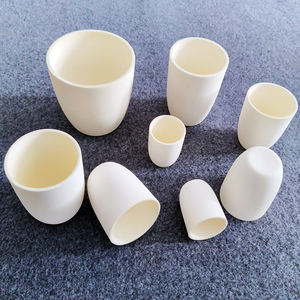
(Zirconia Ceramic Oxygen Sensors Provide Accurate Measurement in Automotive Exhaust Systems)
The core of these sensors is made from zirconium dioxide, a material that becomes conductive at high temperatures. When exposed to varying oxygen levels, it generates a voltage signal. That signal tells the vehicle’s computer whether the mixture is too rich or too lean. Automakers rely on this technology because it responds quickly and lasts a long time under harsh conditions.
Manufacturers have improved the design of zirconia sensors over the years. They now work faster during cold starts and handle extreme heat without losing accuracy. Their durability makes them ideal for today’s strict emission standards. Many new cars use one or more of these sensors to meet environmental regulations.
These sensors also support onboard diagnostics. If something goes wrong with the exhaust system, the sensor helps identify the issue early. This keeps vehicles running smoothly and reduces the chance of failing an emissions test. Drivers benefit from fewer repairs and more consistent performance.
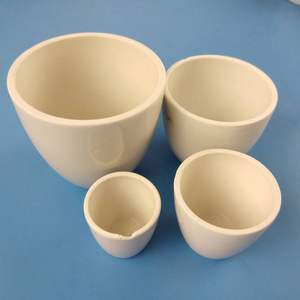
(Zirconia Ceramic Oxygen Sensors Provide Accurate Measurement in Automotive Exhaust Systems)
Demand for zirconia ceramic oxygen sensors continues to grow as governments tighten pollution rules. Car companies are integrating them into hybrid and electric models too, where internal combustion engines still play a part. The technology remains essential for cleaner transportation worldwide.