1. The Nanoscale Architecture and Product Scientific Research of Aerogels
1.1 Genesis and Essential Framework of Aerogel Materials
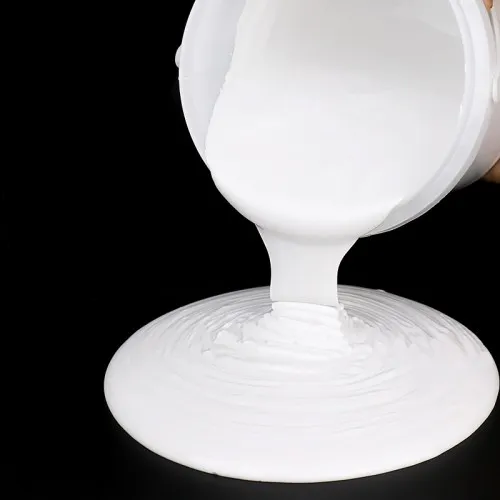
(Aerogel Insulation Coatings)
Aerogel insulation layers stand for a transformative improvement in thermal management technology, rooted in the distinct nanostructure of aerogels– ultra-lightweight, permeable products stemmed from gels in which the fluid part is changed with gas without breaking down the solid network.
First established in the 1930s by Samuel Kistler, aerogels stayed mostly laboratory interests for years as a result of delicacy and high manufacturing prices.
Nonetheless, recent breakthroughs in sol-gel chemistry and drying strategies have actually made it possible for the assimilation of aerogel particles right into flexible, sprayable, and brushable covering formulations, unlocking their potential for extensive industrial application.
The core of aerogel’s outstanding insulating capacity hinges on its nanoscale permeable framework: commonly made up of silica (SiO TWO), the product displays porosity going beyond 90%, with pore sizes mostly in the 2– 50 nm variety– well listed below the mean complimentary path of air molecules (~ 70 nm at ambient problems).
This nanoconfinement dramatically reduces gaseous thermal transmission, as air particles can not successfully move kinetic energy via crashes within such constrained rooms.
Simultaneously, the strong silica network is crafted to be extremely tortuous and alternate, minimizing conductive warmth transfer with the solid phase.
The result is a product with one of the lowest thermal conductivities of any strong known– typically in between 0.012 and 0.018 W/m · K at space temperature level– surpassing conventional insulation materials like mineral woollen, polyurethane foam, or expanded polystyrene.
1.2 Advancement from Monolithic Aerogels to Composite Coatings
Early aerogels were created as brittle, monolithic blocks, restricting their use to particular niche aerospace and clinical applications.
The change toward composite aerogel insulation coverings has actually been driven by the requirement for adaptable, conformal, and scalable thermal barriers that can be applied to complicated geometries such as pipelines, valves, and irregular equipment surfaces.
Modern aerogel layers integrate carefully crushed aerogel granules (often 1– 10 µm in diameter) spread within polymeric binders such as polymers, silicones, or epoxies.
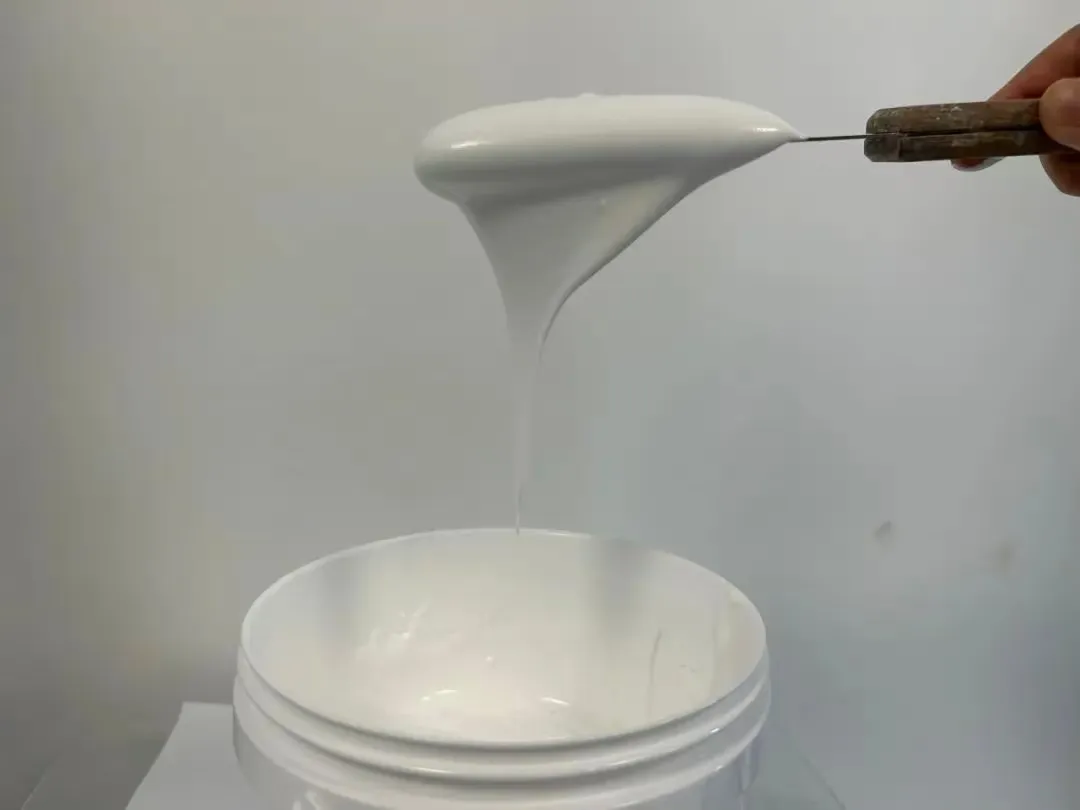
( Aerogel Insulation Coatings)
These hybrid formulations retain a lot of the intrinsic thermal efficiency of pure aerogels while acquiring mechanical effectiveness, bond, and weather resistance.
The binder phase, while somewhat increasing thermal conductivity, gives necessary cohesion and makes it possible for application by means of typical commercial methods including spraying, rolling, or dipping.
Most importantly, the volume portion of aerogel particles is enhanced to balance insulation efficiency with movie honesty– typically ranging from 40% to 70% by volume in high-performance formulations.
This composite technique protects the Knudsen effect (the suppression of gas-phase transmission in nanopores) while enabling tunable homes such as versatility, water repellency, and fire resistance.
2. Thermal Performance and Multimodal Heat Transfer Suppression
2.1 Devices of Thermal Insulation at the Nanoscale
Aerogel insulation finishes attain their superior performance by concurrently reducing all three modes of warmth transfer: transmission, convection, and radiation.
Conductive warmth transfer is reduced via the combination of low solid-phase connection and the nanoporous framework that impedes gas particle movement.
Since the aerogel network consists of very slim, interconnected silica hairs (commonly just a couple of nanometers in diameter), the pathway for phonon transport (heat-carrying lattice vibrations) is highly restricted.
This architectural style efficiently decouples nearby areas of the finish, minimizing thermal linking.
Convective warm transfer is inherently lacking within the nanopores as a result of the inability of air to create convection currents in such constrained areas.
Also at macroscopic scales, effectively used aerogel finishings eliminate air gaps and convective loops that afflict standard insulation systems, especially in upright or overhanging setups.
Radiative warm transfer, which becomes significant at elevated temperature levels (> 100 ° C), is reduced through the incorporation of infrared opacifiers such as carbon black, titanium dioxide, or ceramic pigments.
These additives boost the layer’s opacity to infrared radiation, spreading and absorbing thermal photons before they can pass through the layer density.
The synergy of these mechanisms results in a material that provides equal insulation performance at a portion of the density of standard materials– usually attaining R-values (thermal resistance) several times higher per unit density.
2.2 Performance Across Temperature Level and Environmental Conditions
Among one of the most compelling advantages of aerogel insulation layers is their regular performance throughout a wide temperature level spectrum, usually varying from cryogenic temperature levels (-200 ° C) to over 600 ° C, depending on the binder system utilized.
At low temperatures, such as in LNG pipelines or refrigeration systems, aerogel coverings stop condensation and minimize warmth access much more efficiently than foam-based choices.
At high temperatures, particularly in industrial procedure tools, exhaust systems, or power generation facilities, they safeguard underlying substrates from thermal degradation while reducing energy loss.
Unlike organic foams that may decompose or char, silica-based aerogel finishings stay dimensionally steady and non-combustible, adding to easy fire security strategies.
Additionally, their low tide absorption and hydrophobic surface area treatments (commonly attained through silane functionalization) avoid efficiency destruction in moist or wet atmospheres– a typical failure mode for coarse insulation.
3. Formulation Strategies and Useful Combination in Coatings
3.1 Binder Selection and Mechanical Property Design
The option of binder in aerogel insulation finishes is essential to balancing thermal performance with durability and application flexibility.
Silicone-based binders provide superb high-temperature security and UV resistance, making them appropriate for outside and industrial applications.
Polymer binders supply great attachment to steels and concrete, along with convenience of application and low VOC discharges, ideal for developing envelopes and HVAC systems.
Epoxy-modified solutions enhance chemical resistance and mechanical toughness, beneficial in aquatic or corrosive settings.
Formulators likewise incorporate rheology modifiers, dispersants, and cross-linking agents to ensure consistent fragment circulation, protect against clearing up, and boost movie formation.
Versatility is thoroughly tuned to prevent cracking during thermal cycling or substratum contortion, especially on vibrant structures like development joints or vibrating machinery.
3.2 Multifunctional Enhancements and Smart Coating Prospective
Beyond thermal insulation, modern-day aerogel finishings are being crafted with extra capabilities.
Some formulations include corrosion-inhibiting pigments or self-healing agents that prolong the lifespan of metallic substratums.
Others integrate phase-change materials (PCMs) within the matrix to give thermal power storage space, smoothing temperature level changes in structures or electronic enclosures.
Emerging research checks out the integration of conductive nanomaterials (e.g., carbon nanotubes) to allow in-situ tracking of finish stability or temperature circulation– paving the way for “clever” thermal management systems.
These multifunctional capacities position aerogel finishings not merely as passive insulators yet as active components in smart facilities and energy-efficient systems.
4. Industrial and Commercial Applications Driving Market Adoption
4.1 Energy Effectiveness in Building and Industrial Sectors
Aerogel insulation coverings are significantly released in commercial structures, refineries, and power plants to minimize power usage and carbon emissions.
Applied to vapor lines, central heating boilers, and heat exchangers, they substantially lower warmth loss, enhancing system efficiency and reducing gas need.
In retrofit scenarios, their thin account allows insulation to be included without significant architectural adjustments, maintaining room and reducing downtime.
In property and business construction, aerogel-enhanced paints and plasters are utilized on wall surfaces, roofing systems, and windows to enhance thermal comfort and reduce heating and cooling lots.
4.2 Specific Niche and High-Performance Applications
The aerospace, vehicle, and electronic devices markets leverage aerogel finishes for weight-sensitive and space-constrained thermal monitoring.
In electric cars, they safeguard battery packs from thermal runaway and outside heat resources.
In electronic devices, ultra-thin aerogel layers protect high-power parts and stop hotspots.
Their use in cryogenic storage, room environments, and deep-sea equipment underscores their dependability in extreme settings.
As making ranges and costs decrease, aerogel insulation layers are poised to become a foundation of next-generation lasting and resistant facilities.
5. Supplier
TRUNNANO is a supplier of Spherical Tungsten Powder with over 12 years of experience in nano-building energy conservation and nanotechnology development. It accepts payment via Credit Card, T/T, West Union and Paypal. Trunnano will ship the goods to customers overseas through FedEx, DHL, by air, or by sea. If you want to know more about Spherical Tungsten Powder, please feel free to contact us and send an inquiry(sales5@nanotrun.com).
Tag: Silica Aerogel Thermal Insulation Coating, thermal insulation coating, aerogel thermal insulation
All articles and pictures are from the Internet. If there are any copyright issues, please contact us in time to delete.
Inquiry us