Intro to Sodium Silicate: A Tried And True Material with Increasing Industrial Importance
Salt silicate, frequently known as water glass or soluble glass, is a not natural compound composed of salt oxide (Na two O) and silicon dioxide (SiO TWO) in varying ratios. With a history dating back over 2 centuries, it continues to be one of the most widely made use of silicate compounds as a result of its unique combination of adhesive residential properties, thermal resistance, chemical security, and environmental compatibility. As sectors seek even more sustainable and multifunctional products, salt silicate is experiencing renewed passion across building and construction, cleaning agents, foundry job, dirt stabilization, and even carbon capture technologies.
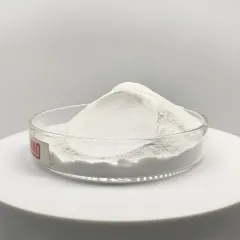
(Sodium Silicate Powder)
Chemical Framework and Physical Feature
Sodium silicates are available in both strong and liquid forms, with the general formula Na ₂ O · nSiO ₂, where “n” represents the molar ratio of SiO ₂ to Na ₂ O, usually described as the “modulus.” This modulus significantly affects the compound’s solubility, viscosity, and sensitivity. Greater modulus values correspond to raised silica material, resulting in higher solidity and chemical resistance yet reduced solubility. Salt silicate solutions exhibit gel-forming behavior under acidic conditions, making them ideal for applications needing controlled setup or binding. Its non-flammable nature, high pH, and capability to develop dense, safety movies further enhance its energy popular atmospheres.
Role in Construction and Cementitious Products
In the construction sector, sodium silicate is extensively used as a concrete hardener, dustproofer, and sealing representative. When put on concrete surfaces, it reacts with complimentary calcium hydroxide to create calcium silicate hydrate (CSH), which compresses the surface, improves abrasion resistance, and lowers permeability. It likewise serves as an effective binder in geopolymer concrete, an encouraging choice to Rose city concrete that considerably decreases carbon exhausts. Additionally, sodium silicate-based grouts are used in underground engineering for soil stablizing and groundwater control, offering affordable services for facilities resilience.
Applications in Shop and Metal Spreading
The factory industry relies heavily on sodium silicate as a binder for sand molds and cores. Contrasted to typical natural binders, sodium silicate offers premium dimensional precision, low gas development, and simplicity of reclaiming sand after casting. CARBON MONOXIDE ₂ gassing or organic ester curing techniques are typically made use of to set the salt silicate-bound molds, supplying quick and reliable manufacturing cycles. Recent growths concentrate on improving the collapsibility and reusability of these mold and mildews, lowering waste, and improving sustainability in metal casting operations.
Use in Cleaning Agents and Family Products
Historically, sodium silicate was a vital ingredient in powdered washing cleaning agents, acting as a builder to soften water by sequestering calcium and magnesium ions. Although its use has actually declined rather due to ecological problems associated with eutrophication, it still plays a role in industrial and institutional cleaning formulations. In eco-friendly cleaning agent development, scientists are exploring customized silicates that stabilize efficiency with biodegradability, straightening with global fads towards greener customer items.
Environmental and Agricultural Applications
Past industrial usages, sodium silicate is obtaining traction in environmental protection and agriculture. In wastewater treatment, it assists remove hefty steels through precipitation and coagulation procedures. In agriculture, it serves as a soil conditioner and plant nutrient, specifically for rice and sugarcane, where silica strengthens cell wall surfaces and boosts resistance to insects and diseases. It is additionally being tested for use in carbon mineralization projects, where it can respond with carbon monoxide ₂ to create secure carbonate minerals, contributing to lasting carbon sequestration strategies.
Technologies and Arising Technologies

(Sodium Silicate Powder)
Recent advances in nanotechnology and products science have opened up new frontiers for sodium silicate. Functionalized silicate nanoparticles are being developed for medication distribution, catalysis, and smart finishings with responsive habits. Crossbreed composites including salt silicate with polymers or bio-based matrices are revealing assurance in fire-resistant products and self-healing concrete. Researchers are likewise investigating its potential in advanced battery electrolytes and as a forerunner for silica-based aerogels made use of in insulation and filtering systems. These innovations highlight salt silicate’s versatility to modern-day technological needs.
Difficulties and Future Instructions
Despite its adaptability, sodium silicate encounters challenges including level of sensitivity to pH adjustments, minimal life span in option type, and troubles in accomplishing constant performance throughout variable substrates. Initiatives are underway to establish maintained solutions, improve compatibility with various other ingredients, and minimize taking care of complexities. From a sustainability viewpoint, there is expanding emphasis on reusing silicate-rich industrial results such as fly ash and slag right into value-added items, promoting circular economy principles. Looking in advance, sodium silicate is positioned to stay a fundamental material– connecting typical applications with sophisticated technologies in power, atmosphere, and progressed production.
Distributor
TRUNNANO is a supplier of boron nitride with over 12 years of experience in nano-building energy conservation and nanotechnology development. It accepts payment via Credit Card, T/T, West Union and Paypal. Trunnano will ship the goods to customers overseas through FedEx, DHL, by air, or by sea. If you want to know more about Sodium Silicate, please feel free to contact us and send an inquiry(sales5@nanotrun.com).
Tags: Sodium Silicate Powder,Sodium Silicate Powder
All articles and pictures are from the Internet. If there are any copyright issues, please contact us in time to delete.
Inquiry us