Intro to Permeating Seal Curing Representatives: An Essential Technology in Concrete Protection
Passing through seal treating representatives (PSCAs) have actually become a transformative service in concrete modern technology, using double advantages of surface securing and internal hydration improvement. Unlike standard membrane-forming healing compounds, PSCAs pass through deep right into the concrete matrix, reacting chemically with free lime and various other byproducts to develop insoluble crystalline structures. This reaction not only seals micro-cracks and capillary pores but likewise enhances compressive strength and long-lasting sturdiness. As infrastructure needs grow for more resilient and lasting products, PSCAs are playing a significantly vital function in prolonging the service life of concrete structures.
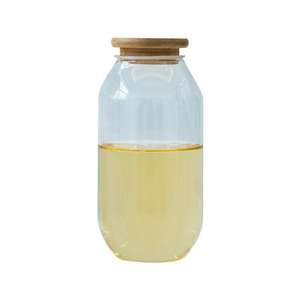
(Penetrating Seal Curing Agents)
Chemical Make-up and Working Mechanism
Penetrating seal treating agents are commonly made up of silicates– most typically lithium, salt, or potassium silicates– together with responsive catalysts and surfactants that boost infiltration depth and chemical sensitivity. Upon application, these agents penetrate the permeable framework of fresh or hardened concrete and react with calcium hydroxide, a byproduct of cement hydration, to develop calcium silicate hydrate (C-S-H) gel and insoluble crystalline precipitates. These developments properly obstruct water access, chloride ion infiltration, and carbonation, which are main sources of concrete deterioration. The self-sealing capability of PSCAs makes them specifically useful in hostile settings such as marine frameworks, wastewater treatment plants, and bridge decks.
Benefits Over Traditional Curing Techniques
Traditional curing approaches, including damp burlap, ponding, and membrane-forming compounds, frequently fall brief in regards to effectiveness, labor intensity, and environmental influence. On the other hand, passing through seal curing representatives provide a more effective, long lasting, and environment-friendly choice. They do not evaporate or weaken in time, getting rid of the requirement for duplicated applications. Furthermore, because they chemically bond with the concrete substrate, PSCAs provide permanent security without changing surface aesthetics or slip resistance. Their usage also contributes to power financial savings by reducing the demand for repair and maintenance, consequently lowering the lifecycle price of concrete structures.
Application Across Facilities and Commercial Sectors
The convenience of permeating seal healing representatives has actually resulted in their adoption across a large range of building applications. In framework jobs such as highways, flight terminals, and tunnels, PSCAs help protect against freeze-thaw damages, deicing chemicals, and abrasion. In commercial floor covering, they boost dust-proofing and wear resistance, boosting interior air quality and lowering maintenance downtime. Residential and commercial structures benefit from improved moisture resistance in foundations, basements, and parking lot. Additionally, their compatibility with numerous types of concrete– including eco-friendly concrete with high fly ash or slag content– makes them a preferred selection for sustainable building and construction techniques intending to minimize embodied carbon.
Market Patterns and Technological Advancement
The global market for passing through seal healing representatives is increasing due to climbing demand for high-performance building and construction materials and more stringent regulative criteria on structure toughness and sustainability. Makers are investing in R&D to develop next-generation PSCAs with improved infiltration depth, faster reaction kinetics, and minimized application times. Advancements consist of crossbreed solutions that combine silicate-based chemistry with nano-silica or polymer-modified systems, using superior efficiency in extreme conditions. Furthermore, clever shipment systems such as fogging and low-pressure spray technologies are being embraced to make certain consistent insurance coverage and ideal material utilization. Digital tools like dampness sensing units and anticipating analytics are likewise being incorporated to keep an eye on healing performance in real-time.
Environmental Effect and Sustainability Considerations
Penetrating seal treating representatives are typically taken into consideration ecologically benign compared to solvent-based sealers and typical curing membranes. The majority of formulas are water-based, non-flammable, and give off negligible unpredictable natural compounds (VOCs). However, worries remain pertaining to the sourcing of basic materials and the potential for alkalinity-related impacts throughout manufacturing. To attend to these problems, scientists are exploring bio-based activators, recycled silicate sources, and low-carbon synthesis courses. In addition, the extensive service life of cured concrete decreases the regularity of demolition and reconstruction, straightening with round economy principles and adding to general carbon decrease in the built atmosphere.
Future Outlook: Smart Materials and Integrated Solutions

( Penetrating Seal Curing Agents)
Looking in advance, the advancement of penetrating seal curing agents will certainly be driven by innovations in nanotechnology, clever products, and electronic integration. The growth of responsive PSCAs that can adapt to transforming ecological problems– such as humidity-triggered activation or self-healing behavior– might revolutionize concrete maintenance approaches. Combination with Building Information Modeling (BIM) and Web of Points (IoT)-allowed monitoring systems will certainly allow for data-driven choices on product efficiency and maintenance scheduling. As cities encounter raising climate pressures and maturing infrastructure, the fostering of advanced curing innovations like PSCAs will be essential in making certain architectural strength and durability for future generations.
Supplier
TRUNNANO is a supplier of boron nitride with over 12 years of experience in nano-building energy conservation and nanotechnology development. It accepts payment via Credit Card, T/T, West Union and Paypal. Trunnano will ship the goods to customers overseas through FedEx, DHL, by air, or by sea. If you want to know more about potassium silicate, please feel free to contact us and send an inquiry(sales5@nanotrun.com).
Tags: concrete addtives, Penetrating Seal Curing Agents, Lithium-Based Curing Agent Seal Concrete Agent
All articles and pictures are from the Internet. If there are any copyright issues, please contact us in time to delete.
Inquiry us