Google has added a new feature to its search results called “Poem Generator” snippets. These appear when users search for poetic content or creative writing prompts. Websites that want to show up in these snippets must optimize their content carefully.

(Optimizing for Google’s “Poem Generator” Snippets)
The key is to match the style and structure Google expects. Short lines, clear rhythm, and simple themes work best. Avoid complex words or abstract ideas. Focus on everyday topics like nature, feelings, or small moments.
Formatting matters too. Use line breaks between each verse. Keep stanzas short—two to four lines is ideal. Do not add extra explanations or notes below the poem. Google pulls only the clean text.
Meta descriptions and page titles should include words like “poem,” “verse,” or “write a poem about.” This helps Google understand the page’s purpose. But do not stuff keywords. Write naturally.
Test your pages by searching real queries. See if your poem appears in the snippet box at the top. If not, check your structure. Compare it to poems that do appear. Adjust line length or word choice as needed.
This update is part of Google’s effort to deliver more creative answers directly in search. It rewards sites that present poetry in a clear, accessible way. Writers and publishers who adapt quickly may see more traffic.
Many content creators are already updating old posts. They rewrite poems to fit the new format. Others create fresh pieces designed just for this feature. Both approaches can work if the poem feels human and sincere.
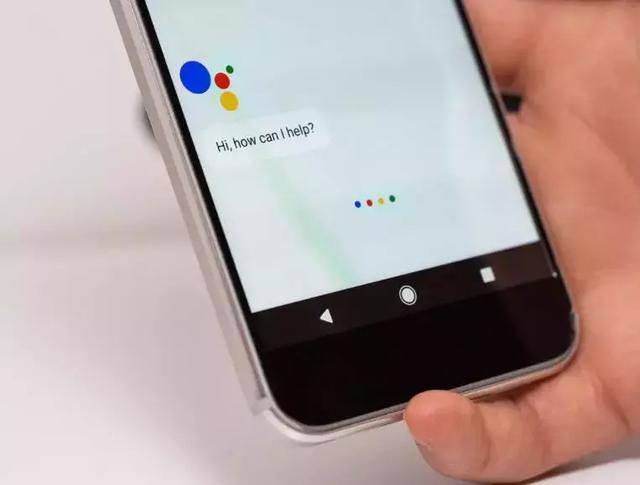
(Optimizing for Google’s “Poem Generator” Snippets)
Google does not guarantee any site will appear in these snippets. But following basic guidelines improves your chances. Keep language simple. Keep lines short. Make sure the poem stands alone without extra context.