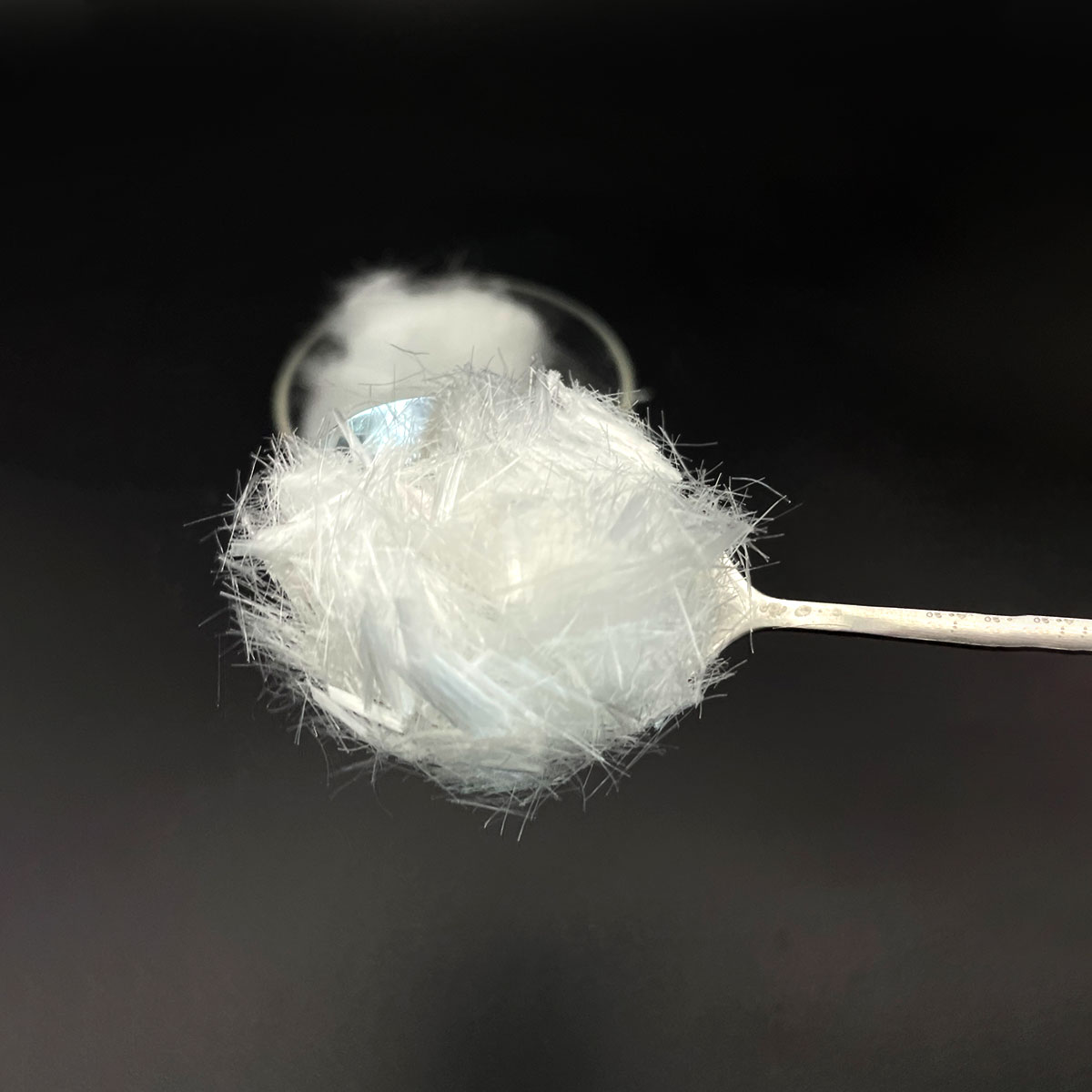
Introduction to PVA Fiber: A Game-Changer in Cementitious Composites
Polyvinyl Alcohol (PVA) fiber has emerged as a leading reinforcing material in contemporary cement-based composites, transforming the performance and durability of concrete frameworks. Known for its high tensile stamina, exceptional bond with cement matrices, and superior resistance to alkaline atmospheres, PVA fiber is at the leading edge of advanced fiber-reinforced concrete (FRC) modern technology. Its assimilation right into ultra-high-performance concrete (UHPC), crafted cementitious compounds (ECC), and strain-hardening cementitious materials (SHCM) notes a substantial leap towards ductile, crack-resistant, and sustainable building solutions.
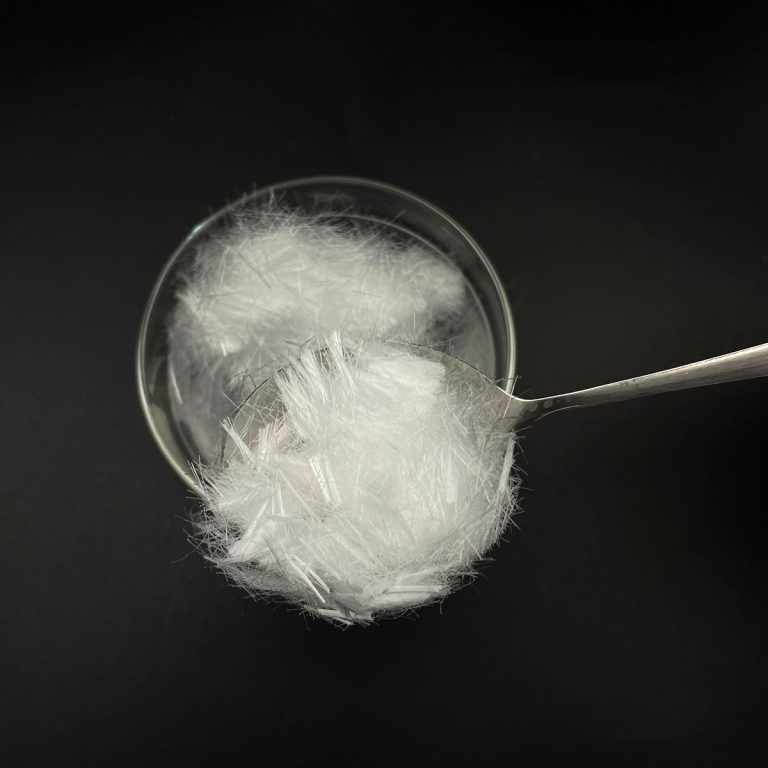
(PVA Fiber)
Chemical and Mechanical Residences of PVA Fiber
PVA fiber is an artificial polymer defined by high hydrophilicity, modest modulus of flexibility, and solid interfacial bonding with cementitious products. Unlike steel fibers, which are prone to deterioration, or polypropylene fibers, which provide restricted mechanical support, PVA fibers incorporate adaptability with toughness– displaying tensile staminas surpassing 1,600 MPa and prolongation at break around 6– 8%. Their microstructure allows for efficient fracture linking, energy dissipation, and post-cracking ductility, making them perfect for applications calling for strength and effect resistance without compromising workability.
Device of Fracture Control and Ductility Enhancement
The key feature of PVA fiber in concrete is to manage microcrack breeding and enhance post-cracking habits. When evenly spread within the matrix, PVA fibers work as micro-reinforcement elements that connect splits started throughout filling or shrinking. This system substantially boosts flexural toughness, crack sturdiness, and energy absorption capacity. In Engineered Cementitious Composites (ECC), PVA fibers make it possible for strain-hardening actions, where the material displays numerous great cracks rather than catastrophic failure. This one-of-a-kind building imitates the ductility seen in steels, changing generally fragile concrete right into a quasi-ductile product ideal for seismic-resistant and fatigue-prone structures.
Applications in Facilities, Repair Work, and Prefabricated Solution
PVA fiber-reinforced concrete is progressively made use of in framework projects demanding high durability and durability. It plays a critical function in tunnel cellular linings, bridge decks, water containment frameworks, and blast-resistant structures as a result of its ability to resist spalling under extreme problems. In architectural repair service and retrofitting, PVA-modified mortars give boosted adhesion, minimized contraction fracturing, and boosted long-lasting efficiency. Prefabricated elements incorporating PVA fibers take advantage of controlled cracking, dimensional security, and faster demolding cycles. Moreover, its compatibility with automated casting procedures makes it well-suited for modular and 3D-printed construction systems.
Sustainability and Environmental Advantages
Past mechanical performance, PVA fiber adds to sustainable building techniques. By allowing thinner, lighter, and longer-lasting structures, it reduces general material intake and embodied carbon. Compared to steel fiber-reinforced concrete, PVA fiber eliminates concerns connected to corrosion staining and galvanic deterioration, expanding life span and decreasing maintenance costs. Some formulations currently integrate bio-based or partly biodegradable variants, lining up with environment-friendly building standards and circular economy principles. As ecological laws tighten up, PVA fiber presents a feasible choice that balances structural integrity with eco-friendly responsibility.
Difficulties and Limitations in Practical Execution
Despite its benefits, the fostering of PVA fiber encounters challenges associated with set you back, dispersion, and healing level of sensitivity. PVA fibers are more pricey than traditional synthetic fibers, limiting their use in budget-sensitive applications. Attaining uniform diffusion requires specialized blending methods, as improper handling can lead to balling or partition. In addition, PVA fibers are sensitive to extended wet-dry biking, which may influence long-lasting bond efficiency if not sufficiently attended to with fiber surface treatment or crossbreed fiber methods. Attending to these concerns needs ongoing study right into economical production techniques and performance optimization.
Technologies Driving Next-Generation PVA Fiber Technologies
( PVA Fiber)
Continuous developments in fiber engineering are increasing the abilities of PVA fiber in building and construction. Surface alteration methods such as plasma treatment, etching, and coating with nano-silica or polymer layers are enhancing fiber-matrix communication and sturdiness. Crossbreed systems integrating PVA with various other fibers– such as carbon or lava– are being checked out to optimize mechanical buildings throughout various packing situations. Scientists are likewise establishing wise PVA fibers installed with noticing abilities for real-time architectural health and wellness surveillance. These advancements are pressing the boundaries of what fiber-reinforced concrete can achieve, leading the way for smart, adaptive building materials.
Market Patterns and Global Industry Expectation
The global market for PVA fiber in building and construction is growing continuously, driven by enhancing need for high-performance concrete in Asia-Pacific, The United States And Canada, and Europe. Governments and market leaders are purchasing resistant facilities, disaster mitigation, and lasting metropolitan advancement– vital drivers for PVA fiber fostering. Leading chemical and building and construction product vendors are increasing product, boosting technological support, and collaborating with scholastic organizations to improve application protocols. Digital devices such as AI-driven mix layout software application and IoT-enabled fiber dosing systems are additional streamlining execution, boosting efficiency, and guaranteeing regular top quality throughout large jobs.
Future Prospects: Assimilation with Smart and Resilient Building And Construction Ecosystems
Looking in advance, PVA fiber will play a main function fit the next generation of smart and resilient building and construction ecological communities. Combination with digital twin platforms will certainly allow engineers to replicate fiber-reinforced concrete habits under real-world conditions, maximizing layout prior to implementation. Breakthroughs in self-healing concrete incorporating PVA fibers and microcapsules are expected to expand structural life-spans and reduce lifecycle prices. Furthermore, as the building and construction sector embraces decarbonization and automation, PVA fiber sticks out as a vital enabler of lightweight, high-strength, and eco receptive structure materials tailored for the future.
Vendor
Cabr-Concrete is a supplier of Concrete Admixture under TRUNNANO with over 12 years of experience in nano-building energy conservation and nanotechnology development. It accepts payment via Credit Card, T/T, West Union and Paypal. TRUNNANO will ship the goods to customers overseas through FedEx, DHL, by air, or by sea. If you are looking for high quality pva concrete mix, please feel free to contact us and send an inquiry(sales5@nanotrun.com).
Tags: pva fiber,polyvinyl alcohol fiber, pva concrete
All articles and pictures are from the Internet. If there are any copyright issues, please contact us in time to delete.
Inquiry us