International Industrial Pipe Valves: A Side-by-Side Contrast of Significant Classifications
With the continuous evolution of industrial framework globally– from urban water supply networks and long-distance oil and gas pipes to petrochemical plants and fire security systems– valves, pipelines, and fittings continue to be the unrecognized heroes that keep whatever moving. For procurement specialists and designers, the difficulty is genuine: when confronted with Round Valves, Butterfly Valves, Gate Valves, Globe Valves, Examine Shutoffs, Control Valves, and Fire Defense Valves, just how do you choose the ideal one for the task? The answer depends upon a handful of factors– media characteristics, how usually you run the valve, stress and temperature rankings, and the area you have for setup.
Datang, as a manufacturer running with its own independent internet site, has long concentrated on providing a full package: valves of all significant kinds, Stainless Steel Pipes and Carbon Steel Pipes, and a complete lineup of Pipe Fittings. This post walks you through a comprehensive contrast of the 7 most preferred shutoff classifications, discuss the key points of pipeline product selection, and briefly covers suitable connection approaches– all to offer you a clear path through the puzzle of industrial piping system choices.
1. Deep Study the Seven Significant Shutoff Categories
1.1 Ball Valves– The Versatile Workhorse for Shut-Off Applications
A Sphere Valve makes use of a round closure system with a birthed through its center, turning 90 levels to open up or shut the circulation path. Its international appeal is no crash– it combines low circulation resistance, quick quarter-turn operation, and reliable securing performance. The shutoff seats are generally made from PTFE or strengthened polymers, which function magnificently in clean media, gases, water, and mildly destructive atmospheres. For high-pressure, large-diameter applications, the trunnion-mounted round style is the go-to selection; for smaller, economical lines, the drifting sphere configuration does the job simply great.
That stated, Sphere Valves have their limitations. Since the securing depends on line call between the round surface and the seat, any rough fragments in the media can easily damage the surface and trigger inner leak. That makes them a poor suitable for slurry, without treatment flowing water, or any stream bring solids. At high temperatures, polymer seats may sneak or deform, which is why metal-seated or fire-safe designs come to be required.
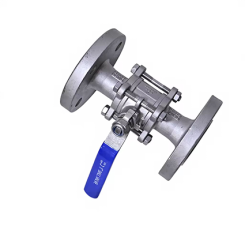
(Ball Valves)
Common applications: gas circulation stations, refinery product, city gas networks, and purified water supply.
What Datang uses: Stainless-steel (304/316L) and Carbon Steel (WCB) choices, drifting and trunnion-mounted types, fire-safe and anti-static frameworks, and both split-body and welded-body layouts, with size arrays from DN15 approximately DN600.
1.2 Butterfly Shutoffs– The Smart Selection for Large-Diameter Water Solution
A Butterfly Shutoff utilizes a disc that revolves within the valve body to control circulation. Its largest marketing factors? Small framework, lightweight, and marginal installment room– specifically in large diameters (DN200 and above), where it clearly outshines Round Valves and Entrance Valves in cost-effectiveness. Sealing can be soft (lined with rubber or PTFE) or hard (metal-to-metal). Soft-seated kinds are great for clean water at area temperature level, while hard-seated variations deal with vapor or slightly rough media at greater temperatures.
The disadvantages? Even fully open, the disc remains in the flow course, creating visible resistance. Plus, sealing counts on the elasticity of the seat or eccentric compression, so under high pressure, it doesn’t match the rigidity of Sphere Valves or Entrance Valves. Triple-offset layouts boost sealing performance considerably, yet they likewise press the rate up.
Normal applications: water therapy plant inlet/outlet mains, cooling down water recirculation systems, a/c cooled water headers, and large-diameter ventilation ducts.
What Datang offers: wafer, lug, and flange connection types; soft-seated versions with EPDM, NBR, or PTFE linings; hard-seated multi-layer metal designs; stress ratings from PN10 to PN40.
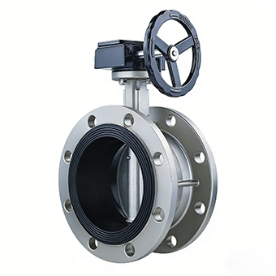
(Butterfly Valves)
1.3 Gate Shutoffs– The Traditional Favorite for Low-Resistance Shut-Off
An Entrance Valve operates by lifting an entrance or wedge up and down within the body to block or open the flow. Its standout function is the straight-through circulation path, which provides it the most affordable flow resistance among all valve types– making it the default option for pipelines where stress drop is a significant issue. That said, Gate Shutoffs aren’t designed for regular procedure. The traveling is long, the action is slow-moving, and each cycle uses the securing surfaces as eviction slides against the seats.
Gate Valves can be found in rising-stem and non-rising-stem configurations. Rising-stem types let you see the shutoff position at a glance, making them ideal for above-ground piping; non-rising-stem types save headroom and work well in buried or restricted spaces. Wedge-type gateways produce tighter seals as they close, dealing with high-temperature vapor lines with ease, while parallel-slide gates are much better fit for low-pressure, large-diameter water systems.
Regular applications: power plant main heavy steam lines, petroleum transmission block shutoffs, wastewater plant inlet/outlet headers, and fire pump discharge lines.
What Datang offers: cast steel and Stainless Steel rising-stem and non-rising-stem Entrance Valves, wedge and parallel-slide styles, with bevel equipment or electrical actuator options for remote procedure.
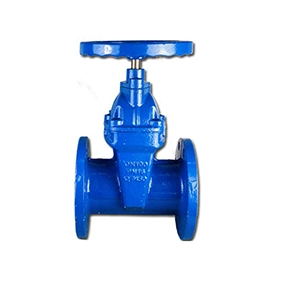
(Gate Valves)
1.4 Globe Valves– The Trustworthy Partner for Precise Throttling
A Globe Shutoff uses a disc that relocates linearly along the seat centerline, adjusting the flow area to control the media. The interior circulation course forces the media to transform direction, which produces high resistance and considerable stress drop– that’s the primary downside. However that very same tortuous course provides the Globe Valve something its rivals can not match: excellent strangling precision. And when totally shut, the disc and seat create a self-tightening seal with excellent integrity.
World Valves be available in straight, angle, and Y-pattern designs. The Y-pattern variation angles the stem at 45 degrees to the circulation, minimizing resistance and making it ideal for frequent guideline. The disc profile can be cone-shaped, needle-shaped, or parabolic, depending upon the circulation attributes you require.
Regular applications: central heating boiler feedwater law, vapor desuperheating terminals, chemical reactor feed control, and pressed air branch line throttling.
What Datang provides: T-pattern, angle, and Y-pattern World Valves, with disc encounters hard-faced with cobalt-based alloys for wear resistance; manual handwheel, bevel equipment, or pneumatic diaphragm actuator choices.
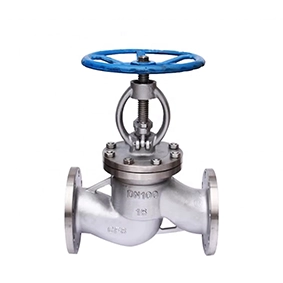
(Globe Valves)
1.5 Inspect Shutoffs– The Passive Security Obstacle
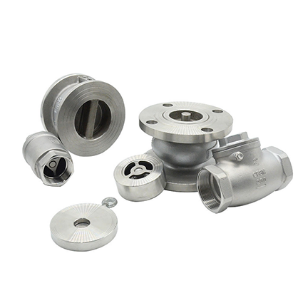
A Check Valve is totally automated– it opens with forward flow and nearby gravity or springtime pressure when circulation reverses, stopping backflow. At pump discharges, compressor outlets, and parallel tools trains, Check Valves are the crucial security device that protects costly equipment from reverse rotation or water hammer damage.
Swing-type Inspect Shutoffs have a disc that pivots on a joint pin, providing low circulation resistance and matching large-diameter straight or vertical lines. Lift-type Check Valves guide the disc up and down along a guide port– they secure tighter yet have higher resistance, making them a better fit for small-diameter, high-pressure systems. Dual-plate Examine Shutoffs feature 2 semicircular discs that swing around a common pivot, closing promptly with a compact footprint; they’re the fastest-growing type in oil, gas, and chemical projects. One point to see: quick closure can trigger water hammer, so in high-lift pump terminals, models with dashpot dampers or slow-closing devices deserve taking into consideration.
Regular applications: pump discharge anti-backflow, heavy steam trap systems, fire pump electrical outlet lines, and chemical plant injection points.
What Datang uses: swing-type, lift-type, and dual-plate Inspect Valves, with counterweight or hydraulic dashpot choices for sluggish closure; materials consisting of Carbon Steel, Stainless Steel, and duplex steel.
(Check Valves)
1.6 Control Valves– The Last Act in Process Automation
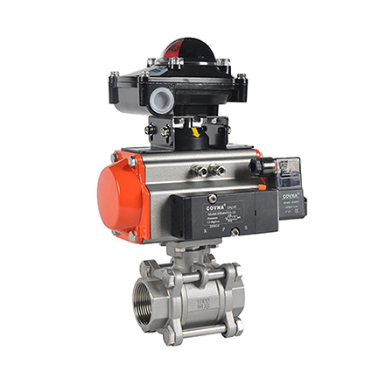
A Control Valve is the end-element in an automated control loophole. It takes a signal from the controller, moves the actuator, and readjusts the valve plug setting to regulate flow, pressure, temperature level, or fluid degree. The real refinement lies in the flow characteristic curve (linear, equal-percentage, or quick-opening) and the valve’s ability to talk to the control system.
Usual type of body include straight single-seat, straight double-seat, cage-guided, and angle valves. Single-seat valves offer reduced leakage however can not take care of high differential stress; double-seat shutoffs endure greater stress decreases yet leak more; cage-guided valves run quieter and manage vibration better. With the increase of commercial IoT, clever positioners now sustain HART, Profibus, and Modbus procedures, providing plant drivers real-time comments and analysis data.
Typical applications: chemical reactor temperature control, nuclear power plant feedwater flow policy, gas pressure-reducing stations, and wastewater oygenation control.
What Datang offers: single-seat, double-seat, and cage-guided Control Shutoff bodies, with electrical or pneumatic diaphragm actuators; trim materials personalized for anti-cavitation and anti-erosion needs.
(Control Valves)
1.7 Fire Protection Valves– A Regulatory-Driven Requirement
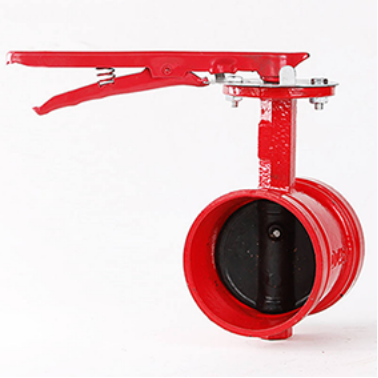
Fire Security Valves are particularly made for automatic sprinkler systems, fire hydrant networks, and fire pump settings up. What sets them in addition to common shutoffs is the requirement for rapid activation under emergency problems, well-founded reliability, and plainly defined pressure settings. Usual types include fire-rated Gateway Valves, fire-rated Butterfly Valves, deluge shutoffs, wet alarm valves, and pressure-reducing valves.
The option logic here is different from industrial shutoffs– it’s driven much less by the media itself and even more by the system kind (wet, dry, pre-action, or deluge) and the threat classification you’re shielding. Given that these systems rest idle for extended periods, internal leakage and corrosion-induced sticking are the main failure risks. That’s why rust-proofing, seal product aging cycles, and convenience of regular testing ended up being leading concerns.
Common applications: skyscraper lawn sprinkler risers, petrochemical plant fire loops, below ground utility tunnel fire zones, and container farm foam systems.
What Datang offers: fire-rated Gateway Shutoffs and Butterfly Valves with inner and outside epoxy finish; alarm system valves full with slow down chambers, water electric motor gongs, and pressure switches; totally compatible with Fire Fighting Pipes and Grooved Fittings for a total system service.
(Fire Protection Valves)
Quick Contrast Table– Seven Major Shutoff Groups at a Glimpse

(Major Valve Categories Comparison)
Keep in mind: The figures over are general market recommendations. Real performance relies on product option, sealing style, and manufacturing precision.
2. How Pipeline Product Selection Works with Your Valve System
When you have actually settled on the valve kinds, matching the piping material is the next crucial step. Pipelines aren’t simply conduits– their inside surface coating straight influences how well your shutoffs seal, and their wall thickness figures out the system’s pressure boundary.
2.1 Stainless Steel Piping– The Go-To for Corrosive Services
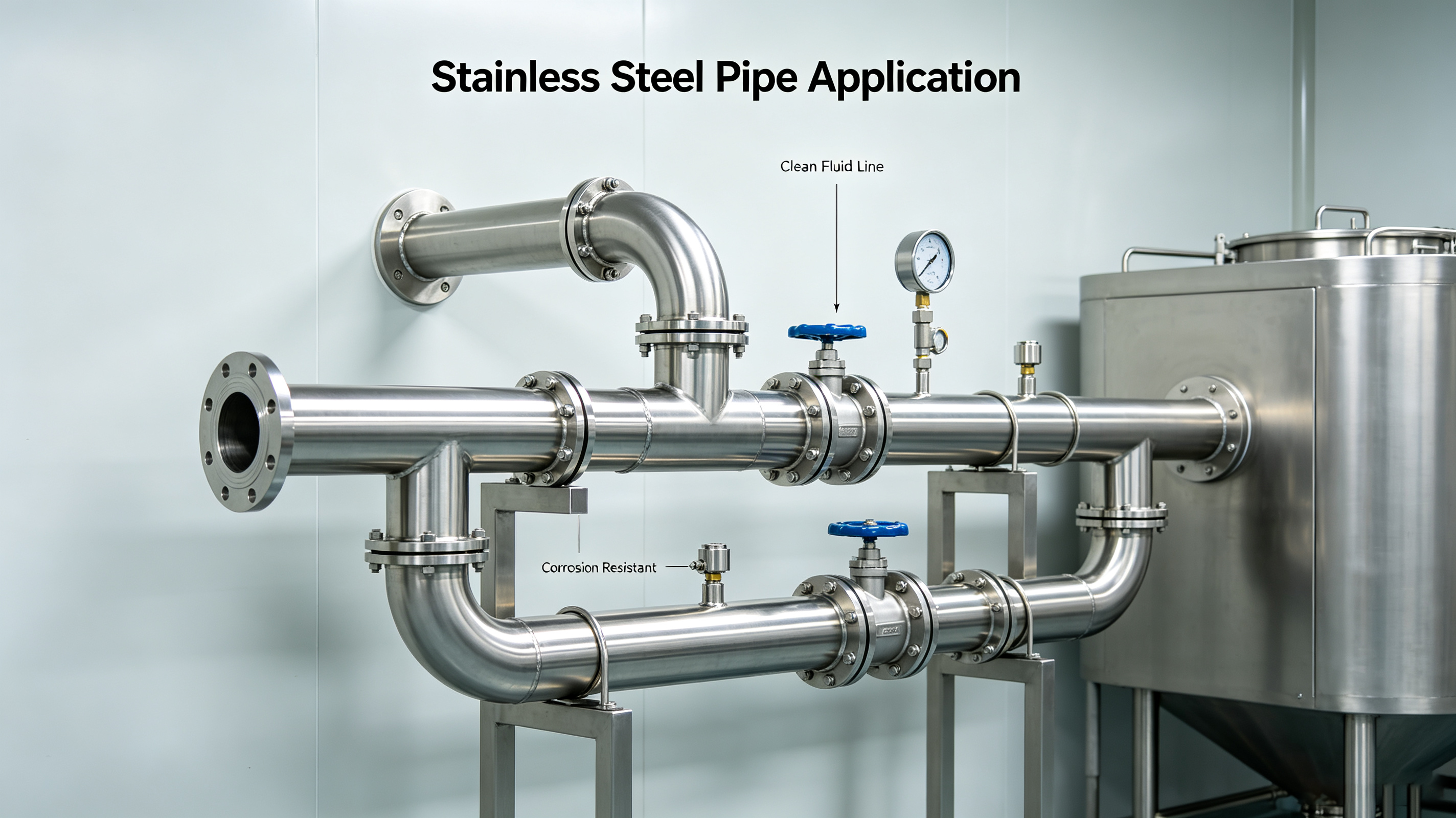
Stainless-steel Water lines deal exceptional resistance to consistent rust and pitting, making them a staple in chemical processing, food and pharmaceutical hygienic lines, and offshore applications. Austenitic grades like 304/304L and 316/316L are the most typical; 316L, with its molybdenum addition, deals with chloride-bearing settings better than 304. When you’re running Stainless-steel Pipes, the shutoff bodies and internal trim ought to likewise be stainless to prevent galvanic deterioration in between dissimilar steels.
Bonded and flanged connections are both primary options for Stainless-steel Pipeline. Welding offers you a leak-tight, smooth bore, though it requires argon protecting on-site; flanged joints are easier to take apart for maintenance, however you need to make sure the gasket material is compatible with the media.
Common industries: fine chemicals, drugs, bio-fermentation, salt water desalination, and food and beverage.
Datang’s technique: Stainless Steel Valves + Stainless-steel Piping + Stainless-steel Pipe Fittings– a fully incorporated corrosion-resistant system that leaves no weak spots.
2.2 Carbon Steel Pipes– The Heavy Lifter for Power and Heavy Market
Carbon Steel Pipes integrate high stamina with strong cost-effectiveness, making them the dominant selection in oil, gas, power generation, and area home heating. Typical standards consist of ASTM A53, A106, and API 5L, covering various pressure classes and low-temperature strength requirements. The main disadvantage? Rust resistance is limited. In wet atmospheres or when carrying destructive liquids, you’ll require external finishings and interior liners for security.
When it involves connecting Carbon Steel Piping to shutoffs, welding or butt-welding is the standard for high-pressure systems– joint toughness requires to match the parent material. In tool- to low-pressure water and fire systems, flanged and grooved connections are much more common. One thing to enjoy: see to it the pressure class of your pipelines and valves match. If your pipe is ranked Course 150 yet your valve is Class 300, it’s overkill without adding any value; if the shutoff is lower-rated than the pipeline, it comes to be the system’s weakest web link.
Regular markets: long-distance oil/gas pipes, primary heating networks, commercial steam lines, and compressed air headers.
Datang’s strategy: Carbon Steel Pipes and fittings ranked to the exact same pressure classes (Class 150/300/600) as our valves, with seamless and welded alternatives available, covering all wall surface thicknesses per ASME B36.10.
( Pipe Application)
2.3 Fire Battling Pipes– A Specialized Group of Its Own
Fire Battling Pipelines are mainly carbon steel or galvanized carbon steel, however they follow their very own collection of standards for corrosion security and pressure screening. NFPA requirements generally call for inner galvanizing or epoxy layer to resist internal rust from long-term water contact. External covering depends on whether the pipe is hidden, revealed inside, or installed outdoors.
An additional vital difference: hydrostatic examination stress for Fire Battling Pipes is generally 1.5 times the working pressure, held for a specified time to verify system honesty. When Datang supplies both Fire Defense Shutoffs and Fire Battling Pipes, we can do a pre-shipment joint stress test to validate the entire system performs as created prior to it ever reaches your website.
Datang’s approach: fire-rated Gate/Butterfly Valves + internally/externally layered Fire Fighting Pipelines + Grooved Fittings– a complete chain from pump room to sprinkler heads, reducing procurement complexity.
( Butt Weld Fittings Application Application)
3. A Peek at Pipeline Fittings Connection Techniques
A piping system isn’t just valves and pipelines– you also require fittings to alter direction, minimize or increase the size of diameters, produce branches, and link components. The best suitable selection can make or break your installation performance and long-lasting integrity.
▪ Stainless-steel Pipe Fittings: consisting of elbow joints, tees, concentric/eccentric reducers, and caps– made from the exact same stainless qualities as the pipes and joined by welding to maintain rust resistance undamaged at the joints. Perfect for food, chemical, and sanitary systems.
▪ Flanges: the most standard bolted link, offering easy disassembly and compatibility with a wide range of shutoffs and devices. Face types consist of RF (increased face), FF (flat face), and RTJ (ring-type joint)– gaskets need to match temperature and pressure conditions. Datang materials Flanges that are fully compatible with our shutoffs and pipelines (ANSI/DIN/JIS requirements), so you do not encounter bolt-hole misalignment or dissimilar sealing faces throughout installation.
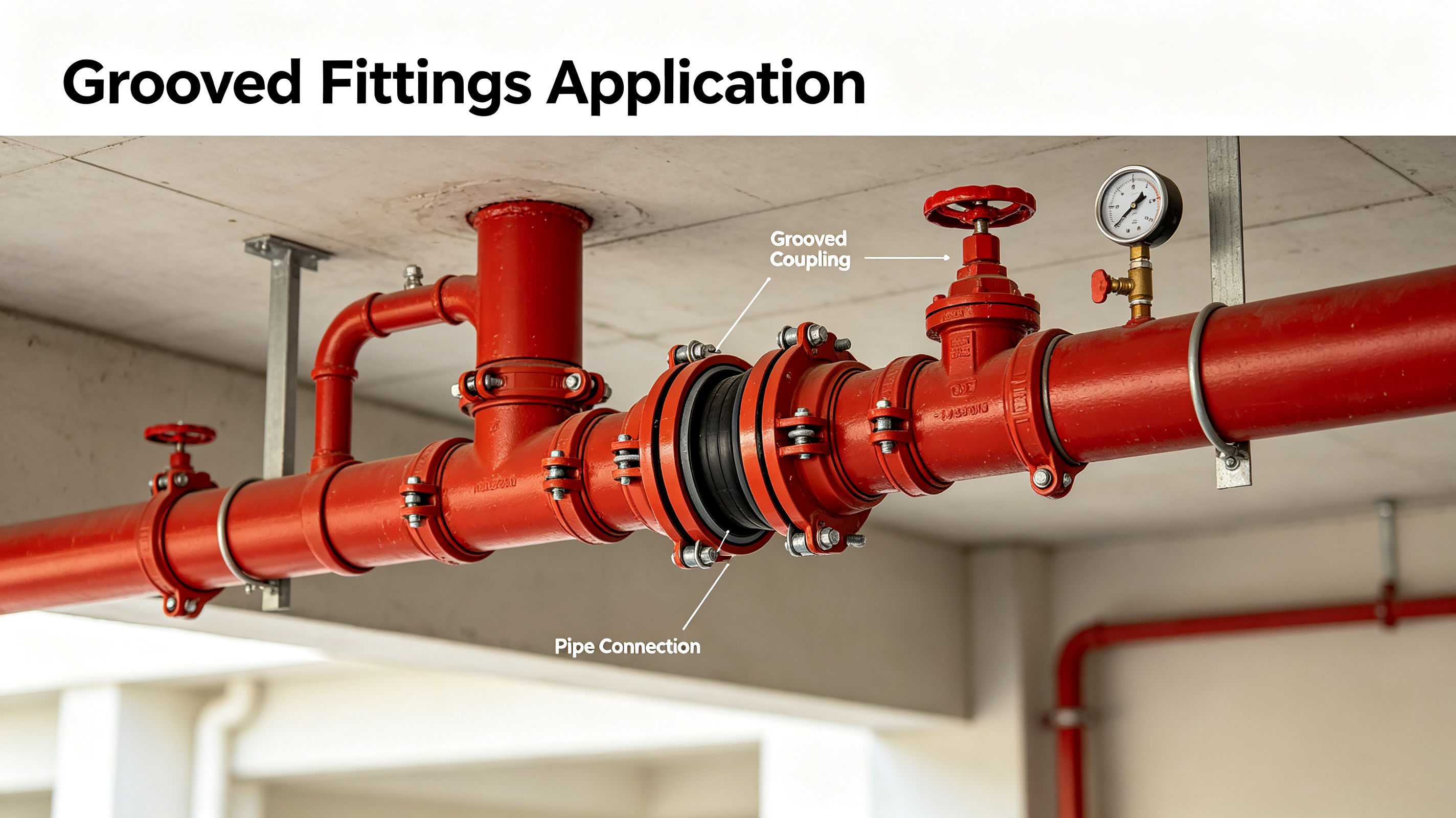
▪ Grooved Fittings: these make use of a mechanical combining and a gasket to develop a fast, bolt-free connection. After roll-grooving the pipeline ends, you snap in the gasket and tighten the combining. This method is a favored in fire security and water system systems– setup is significantly faster than welding, and the joint permits some angular deflection, which provides it good seismic resistance. Quality control right here focuses on groove depth and width precision, plus the compression ratio style of the rubber gasket.
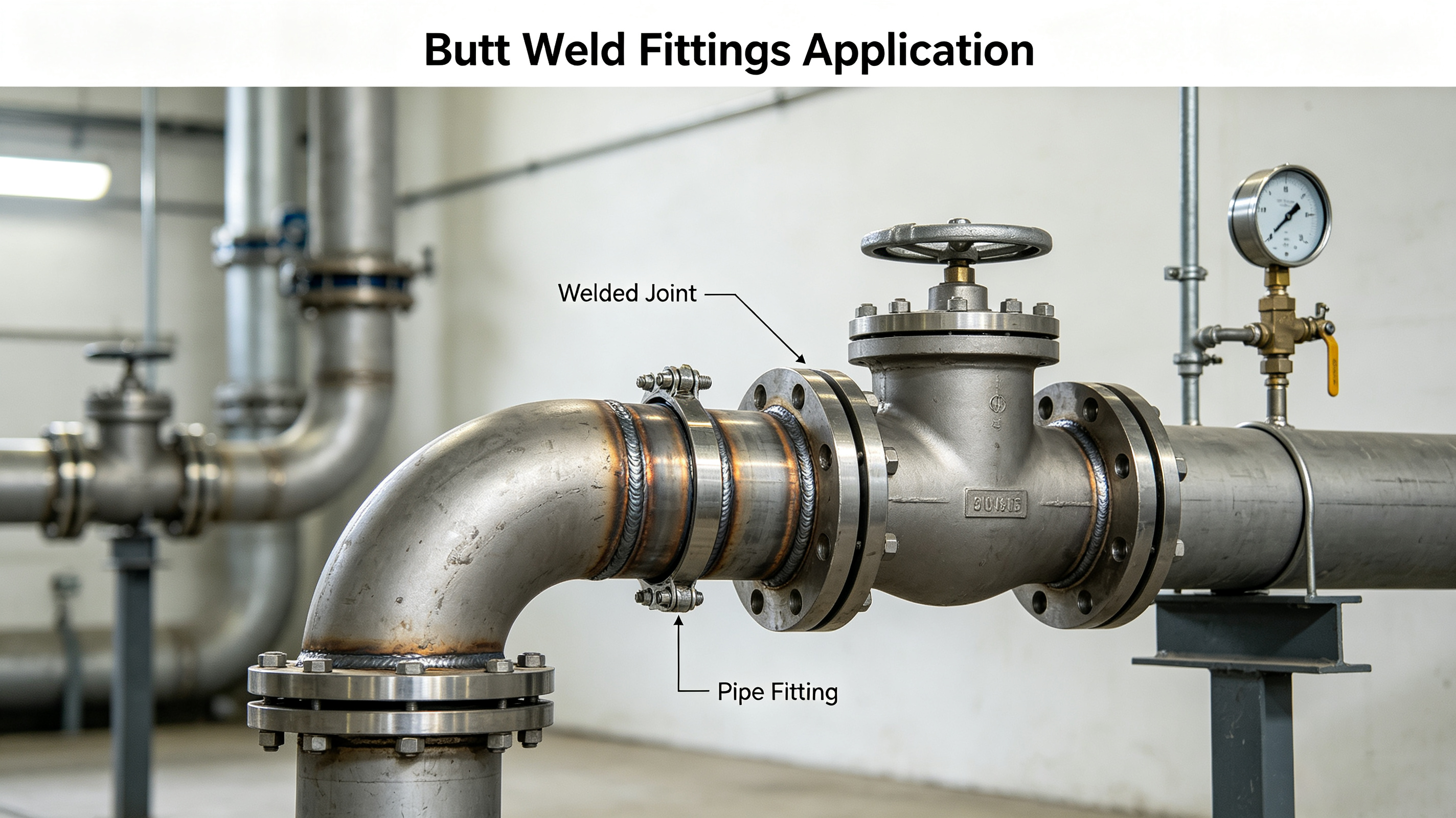
▪ Butt Weld Fittings: constructed for severe services– high temperature, high pressure, and thermal cycling– like nuclear power plant major heavy steam headers and refinery heater inlets/outlets. Butt Weld Fittings match the wall thickness of the parent pipe and use full-penetration welds that create joint stamina equal to the base product. Wall thickness selection and bevel preparation are vital to weld quality. Datang provides these fittings with properly machined bevels and finish caps for security, prepared for field fit-up and welding.
( Grooved Fittings Application Application)
Bringing everything together: a commercial piping system is far more than simply a stack of valve items. Whether you’re evaluating the fast shut-off of a Sphere Valve versus the low resistance of a Gate Shutoff, choosing between the throttling accuracy of a World Shutoff and the automated knowledge of a Control Shutoff, or satisfying the conformity needs of Fire Defense Shutoffs– every category has its own sweet area. And the pipes and fittings that connect them with each other are equally as important. Choosing the appropriate materials and link techniques ensures your valves can actually supply the efficiency you’re trusting.
Datang, operating with our own independent internet site, brings valves, pipelines, and fittings right into one merged product portfolio, providing purchase groups a simpler, more consistent way to source full systems. There’s no global “ideal”– just the appropriate suitable for your media, stress, temperature level, operating frequency, and installment constraints. That’s the reasoning that causes systems that are both safe and economical in the future.
Supplier
LUOYANG DATANG ENERGY TECH CO., LTD. is a professional industrial valve supplier, dedicated to providing reliable flow control solutions for fire protection systems, HVAC, water treatment, and industrial piping networks. If you are interested, please feel free to contact us!
All articles and pictures are from the Internet. If there are any copyright issues, please contact us in time to delete.
Inquiry us