A new development in additive manufacturing is gaining attention with the introduction of boron nitride ceramic rings for nozzle inserts. These rings are designed specifically for close coupled atomization of aluminum powders. The process creates fine, spherical metal powders that are essential for high-quality 3D printing.
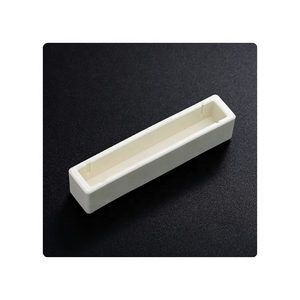
(Boron Nitride Ceramic Rings for Nozzle Inserts for Close Coupled Atomization of Aluminum Powders for Additive Manufacturing)
Boron nitride offers excellent thermal stability and resistance to molten aluminum. This makes it ideal for use in high-temperature environments where traditional materials often fail. The ceramic rings help maintain consistent flow during atomization, which leads to more uniform powder particles.
Manufacturers using these inserts report improved yield and reduced downtime. The material does not react with aluminum, so contamination is minimized. This results in cleaner powders that meet strict industry standards for aerospace and automotive applications.
Close coupled atomization brings the gas jets closer to the melt stream. This setup requires components that can handle extreme heat and corrosive conditions. Boron nitride ceramic rings meet these demands without degrading over time. Their smooth surface also prevents clogging, a common issue with other nozzle materials.
The adoption of this technology supports the growing need for reliable metal powders in additive manufacturing. As demand increases, solutions like boron nitride inserts help producers scale up efficiently. Companies investing in this approach see better control over powder characteristics and overall process reliability.
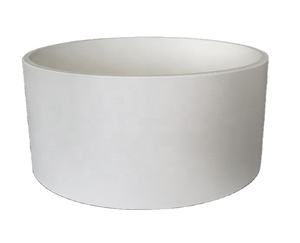
(Boron Nitride Ceramic Rings for Nozzle Inserts for Close Coupled Atomization of Aluminum Powders for Additive Manufacturing)
Production facilities are now integrating these ceramic rings into their existing atomization systems. Early feedback shows significant improvements in powder quality and system performance. The shift represents a practical step forward for manufacturers focused on consistency and purity in metal powder production.